Choosing a general contractor is one of the highest-stakes decisions a business owner, facility manager, or municipal leader will make. The right contractor delivers a project on time, on budget, and built to last. The wrong one can cost you months of delays, unexpected change orders, and long-term headaches.
If you’re planning a commercial construction project in Southern Illinois or the greater St. Louis metro area, you deserve a contractor who understands the region, the regulatory environment, and the unique demands of your industry. Before you sign on the dotted line, here are ten questions that will help you separate the experienced professionals from the rest of the field.
1. How long have they been in business in this region?
Longevity matters in construction. A contractor with decades of experience in the Southern Illinois and St. Louis corridor has weathered economic downturns, navigated shifting building codes, and built lasting relationships with local suppliers, subcontractors, and municipalities. That kind of institutional knowledge doesn’t come from a few years on the job.
Ask specifically about their track record in the region—not just how long they’ve existed as a company. A firm that’s been rooted here since 1958, for example, brings a depth of local expertise that a newcomer simply can’t match.
2. Do they self-perform any of the work, or subcontract everything?
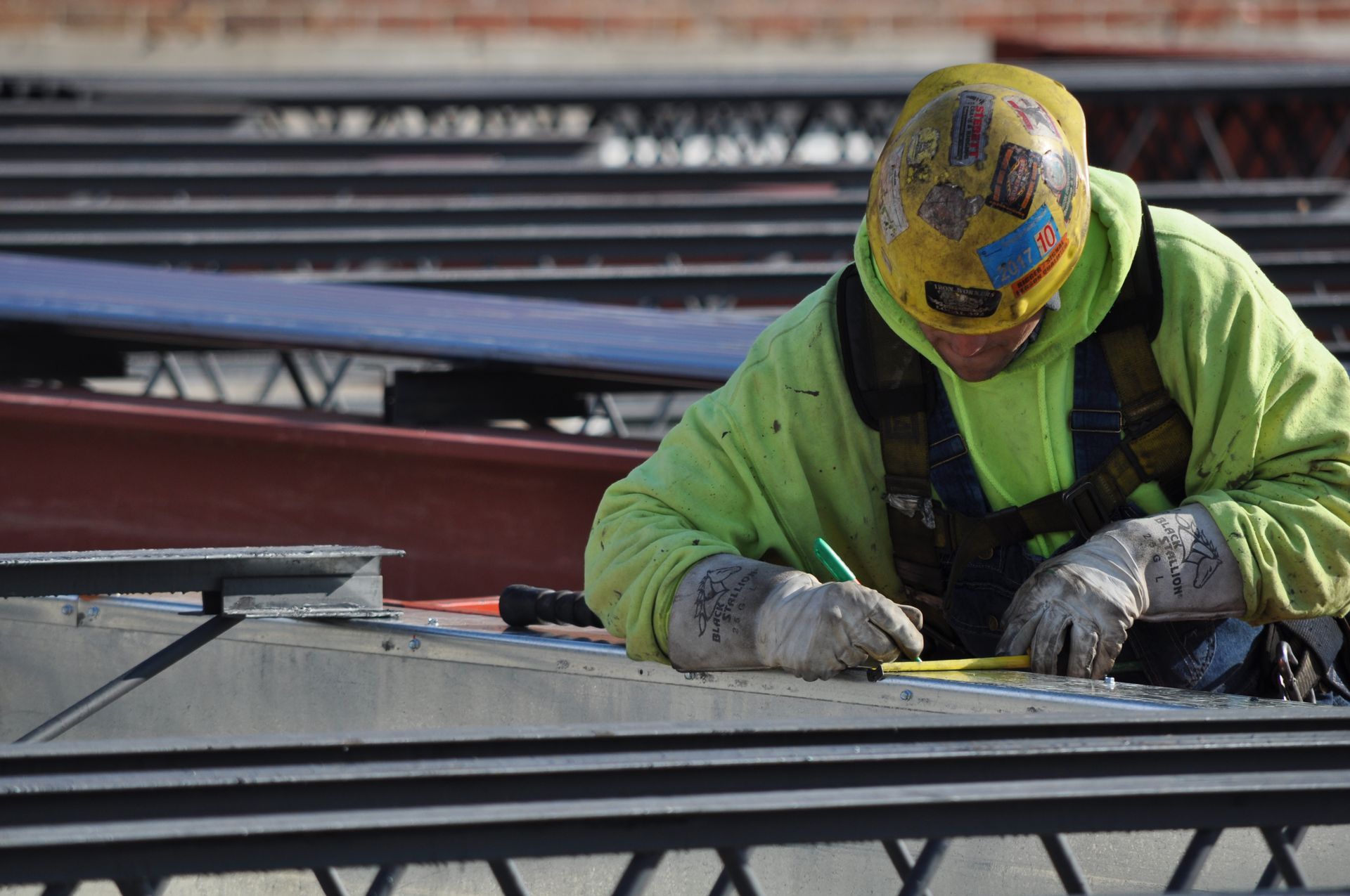
Some general contractors act primarily as project brokers—they win the bid, then hand everything off to subcontractors. There’s nothing inherently wrong with subcontracting, but a contractor who self-performs key trades like concrete, steel erection, or site work has a significant advantage. They control the schedule more tightly, maintain higher quality standards on critical tasks, and often reduce costs by eliminating a layer of markup.
Ask what trades the contractor performs with their own crews and equipment. The answer will tell you a lot about their capability and commitment to quality control.
3. Have they built in your specific market?
A contractor who’s completed a dozen warehouse projects may not know the first thing about healthcare facility compliance. Commercial construction spans a wide range of sectors—healthcare, municipal, industrial, religious, retail, agricultural, education, and more—and each comes with its own codes, regulations, and design considerations.
Look for a contractor with proven experience in your specific market. A firm that actively serves eight or more distinct sectors demonstrates the versatility and technical depth to handle complex, specialized requirements.
4. Can they offer Design-Build or Construction Management in addition to traditional general contracting?
Not every project fits the same delivery model. Some projects benefit from a traditional bid process, while others are better suited to a design-build approach that streamlines communication between the architect and builder. Construction management at-risk is another option that gives owners more transparency and cost control.
A contractor who can offer multiple delivery methods gives you flexibility. They’re not trying to fit your project into the one model they know—they’re recommending the approach that best serves your goals, timeline, and budget.
5. What does their safety program look like?
Safety isn’t just about avoiding OSHA fines. A strong safety culture protects your project from delays caused by incidents, shields you from liability, and reflects the overall discipline and professionalism of the organization. Ask about their Experience Modification Rate (EMR), their safety training programs, and whether they have a dedicated safety officer.
Contractors with EMRs consistently below 1.0 and formalized safety protocols are statistically less likely to experience jobsite incidents—which means fewer disruptions and lower risk for you.
6. Can they provide local references from similar project types?
Any contractor can show you glossy photos. What matters is whether they can connect you with real project owners who will speak candidly about their experience. Ask for references from projects that are similar in scope, size, and market to yours—and ideally from right here in the Southern Illinois or St. Louis metro region.
Local references carry extra weight because you can verify the work firsthand. Drive by the finished project. Talk to the facility manager who works in the building every day. That’s due diligence you can’t do with an out-of-state reference.
7. How do they handle pre-construction planning?
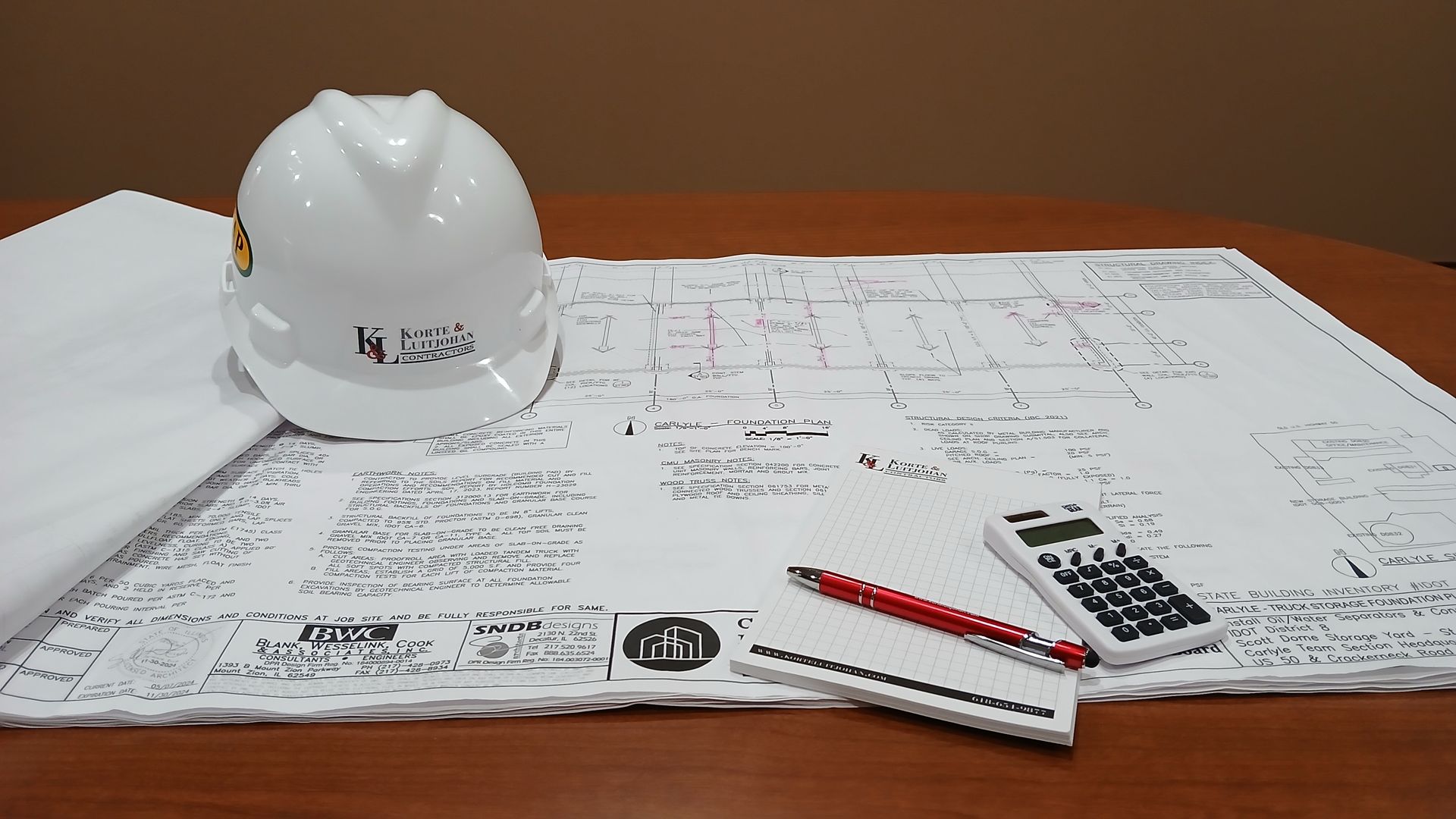
The best contractors earn their keep long before a shovel hits the ground. Pre-construction services—budgeting, value engineering, scheduling, constructability reviews—can save you significant time and money by identifying problems on paper instead of in the field.
Ask how involved the contractor is during the planning phase. Do they just show up to bid, or do they sit down with your team early to help shape the project? A contractor who invests in pre-construction is a contractor who’s committed to your project’s success, not just their own bottom line.
8. Are they an authorized builder for any established building systems?
If your project involves pre-engineered metal buildings, this question is especially important. Authorized builders for systems like Varco Pruden (VP Buildings) have undergone training, met quality benchmarks, and earned a manufacturer’s endorsement. That translates to better design assistance, warranty protection, and more efficient construction.
Even if your project doesn’t involve metal buildings, the principle still applies: contractors with manufacturer relationships and certifications have demonstrated a commitment to meeting high external standards.
9. What’s their communication process during the project?
Poor communication is the root cause of most construction disputes. Before you hire a contractor, understand exactly how they plan to keep you informed. Will you receive regular progress reports? How often will project meetings occur? Who is your primary point of contact, and how accessible are they?
The best contractors are proactive communicators. They don’t wait for you to call and ask what’s happening—they keep you updated on milestones, flag potential issues early, and make you feel like a partner in the process rather than a bystander.
10. How do they manage subcontractors and control quality?
Even contractors who self-perform key trades will bring in specialty subcontractors for certain scopes of work. What matters is how they manage those relationships. Ask about their process for qualifying subcontractors, how they coordinate scheduling across multiple trades, and what quality control checkpoints they have in place.
A contractor with established, long-term subcontractor relationships in the Southern Illinois and St. Louis area can assemble a reliable team faster, negotiate better pricing, and deliver more consistent quality than one who’s scrambling to find subs for every new job.
The Right Answers Matter
These ten questions aren’t designed to trip anyone up. They’re designed to help you find a general contractor who is truly qualified, genuinely experienced, and deeply invested in the success of your project.
At Korte & Luitjohan Contractors, we’ve been answering these questions with confidence since 1958. We self-perform critical trades with our own skilled crews. We’ve built across eight distinct markets throughout Southern Illinois and the St. Louis metro area. We offer design-build, construction management, and traditional general contracting. And we’re proud to be an authorized Varco Pruden builder.
If you’re getting ready to hire a general contractor, we’d welcome the chance to show you how K&L stacks up.
Ready to start a conversation?
Contact Korte & Luitjohan Contractors →