If you manage facilities or budgets for a city, village, school district or other public body in Southern Illinois or the Metro East, you know the traditional bid process can add weeks or months before a project ever breaks ground. Cooperative purchasing programs like TIPS were created to help public entities buy goods and services more efficiently while still relying on a competitive procurement process.
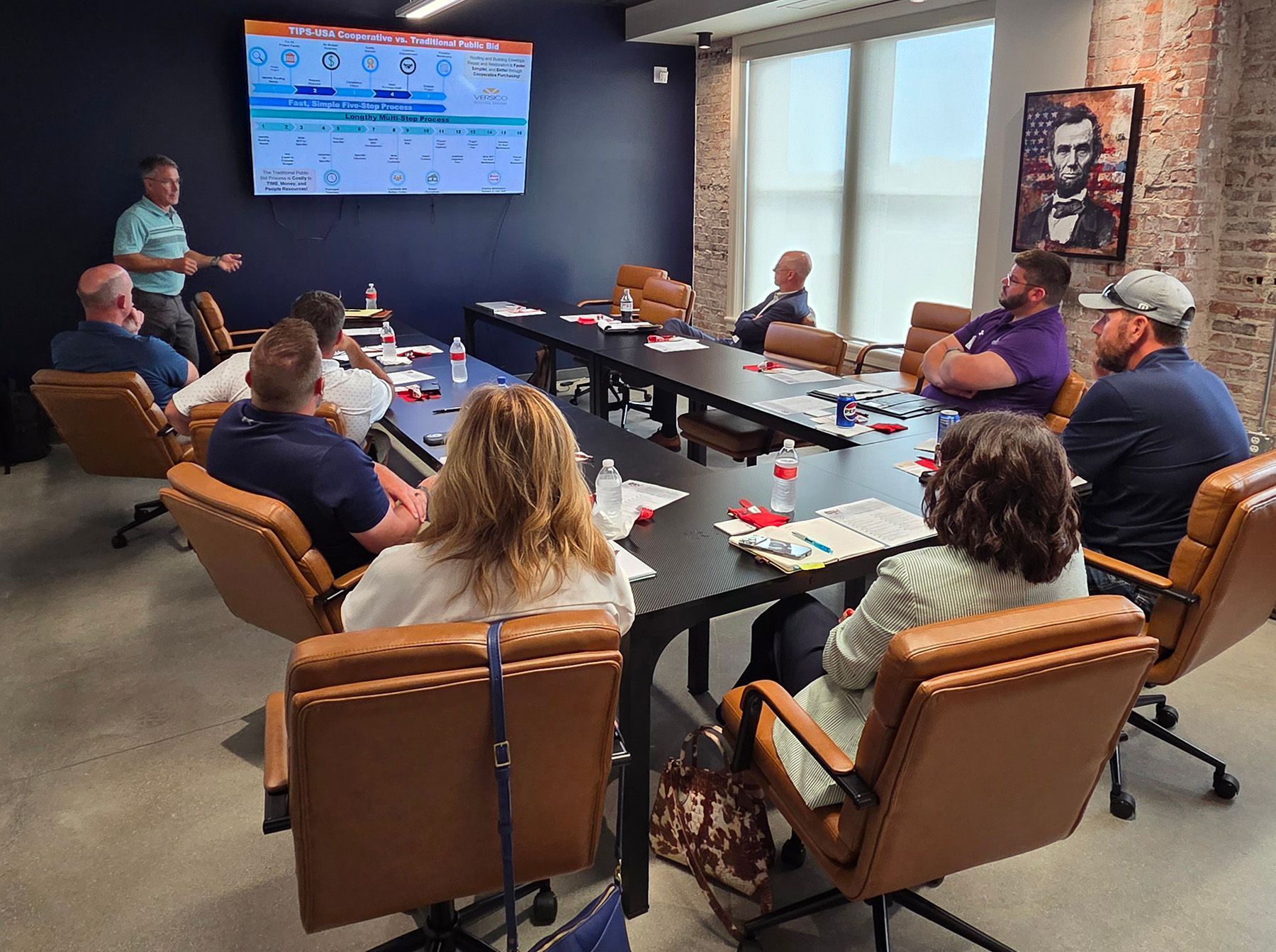
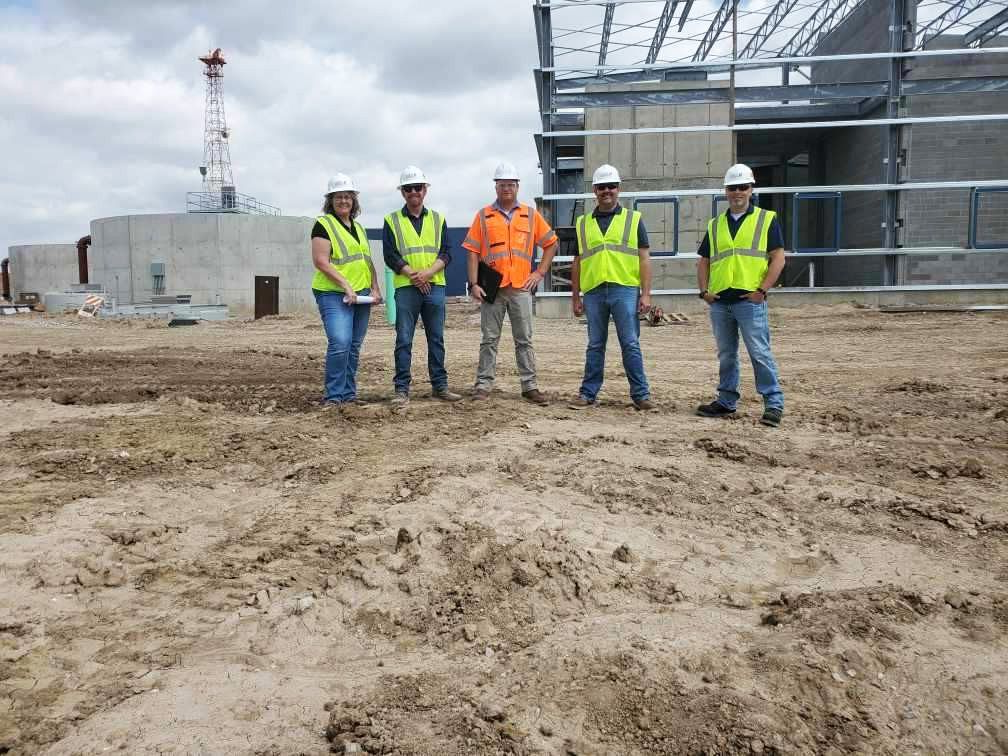
In September, Korte & Luitjohan Contractors (K&L) hosted a Lunch & Learn on TIPS at our
new Marion office, with guest speaker Brian Schweiss of Rep Tech Inc. Representatives from the cities of Marion and Murphysboro, along with architects, engineers and economic development agencies, attended. The questions we heard that day inspired this guide.
Below, we explain what TIPS is, how cooperative purchasing works in Illinois, which projects can be a good fit, and how to get started.
What Is TIPS?
TIPS stands for The Interlocal Purchasing System. It is a national cooperative purchasing program available to government entities and other eligible organizations, with Region 8 Education Service Center in Texas serving as its lead agency.
Here's the basic idea: TIPS conducts competitive solicitations and awards contracts to qualified vendors and contractors. Member entities can then purchase from those awarded contracts instead of running a separate solicitation of their own for the same goods or services. The program is funded through fees paid by the awarded vendors.
K&L is an authorized TIPS contractor/vendor, which means TIPS members can work with us through the program.
How Cooperative Purchasing Works in Illinois
Illinois law supports this kind of joint purchasing. The Governmental Joint Purchasing Act (30 ILCS 525) allows governmental units, including public bodies with the power to tax and other public entities created by statute, to purchase jointly with other governmental units, with one unit conducting the competitive procurement. Illinois public agencies also rely on the Intergovernmental Cooperation Act when entering cooperative agreements.
Illinois cities and school districts have joined TIPS by adopting a resolution at the council or board level. Joining does not obligate an entity to make any particular purchase. It simply makes TIPS contracts available as an option.
Who Can Use TIPS?
Eligible members commonly include:
• Cities, villages and counties
• School districts
• Community colleges and universities
• Park districts, fire protection districts and other special districts
• Other public agencies and certain eligible organizations
Eligibility is determined by TIPS and your own legal counsel, so it's worth confirming before you plan a project around the program.
Benefits of TIPS for Public Construction Projects
Time savings
Because the competitive solicitation has already been completed by the lead agency, your team may be able to move from scoping to construction faster than with a traditional bid cycle.
A competitive process behind the contract
TIPS contracts are awarded through competitive solicitations, which gives your board and stakeholders confidence that pricing and vendor selection were vetted.
Purchasing power for smaller communities
Smaller towns and rural school districts often don't have large purchasing departments. Cooperative purchasing helps level the playing field, giving smaller entities access to the same competitively procured contracts larger ones use.
Earlier contractor involvement
Working with an authorized TIPS contractor lets you bring the builder in earlier to help define scope, budget and schedule. That early collaboration is the heart of good
pre-construction planning, and it can prevent costly surprises later.
What Kinds of Projects Can Be a Good Fit?
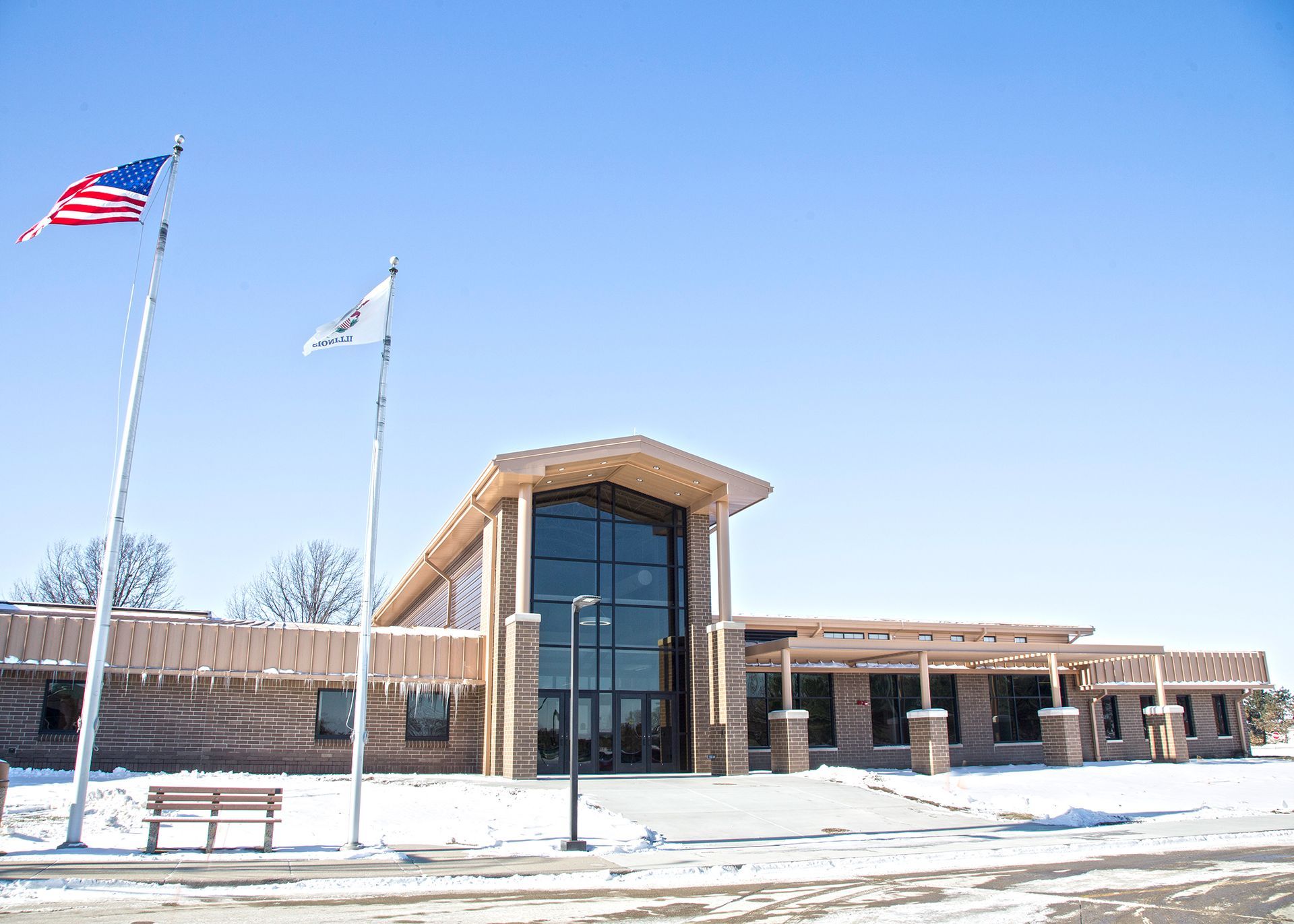
Construction services through cooperative purchasing are often used for renovation, repair, alteration and facility improvement work. For public entities in our region, that can include:
• Municipal buildings, city halls and public works facilities (see our
municipal construction work)
• School renovations and additions (see our
education construction work)
• Water and wastewater treatment facility improvements
• Libraries, community centers and other public spaces
Whether a specific project fits depends on its scope and the terms of the contract being used. We're happy to talk through your project and help you determine whether TIPS is the right path.
How to Get Started With TIPS
1.
Confirm eligibility and approval.
Talk with your attorney or purchasing office about using cooperative purchasing for your project. Many entities adopt a resolution to join.
2.
Join TIPS.
Membership information is available at
tips-usa.com.
3.
Define your needs.
Outline the project's goals, rough budget and timeline. It doesn't need to be perfect.
4.
Contact an authorized TIPS contractor.
A contractor like K&L can walk the site, help refine the scope and prepare a proposal.
5.
Review and approve.
Once your team approves the proposal, you issue a purchase order following the TIPS process, and the project can move forward.
Things to Keep in Mind
• Not every project is a fit. Some large or complex projects may still be best handled through a traditional bid or another delivery method.
• Other requirements still apply. Public works projects in Illinois remain subject to state requirements such as the Prevailing Wage Act.
• Check your funding source. Grants, especially federal grants, can carry their own procurement rules.
• Follow your local policies. Board approval steps and internal purchasing policies still need to be followed.
Why Work With K&L on Your TIPS Project?
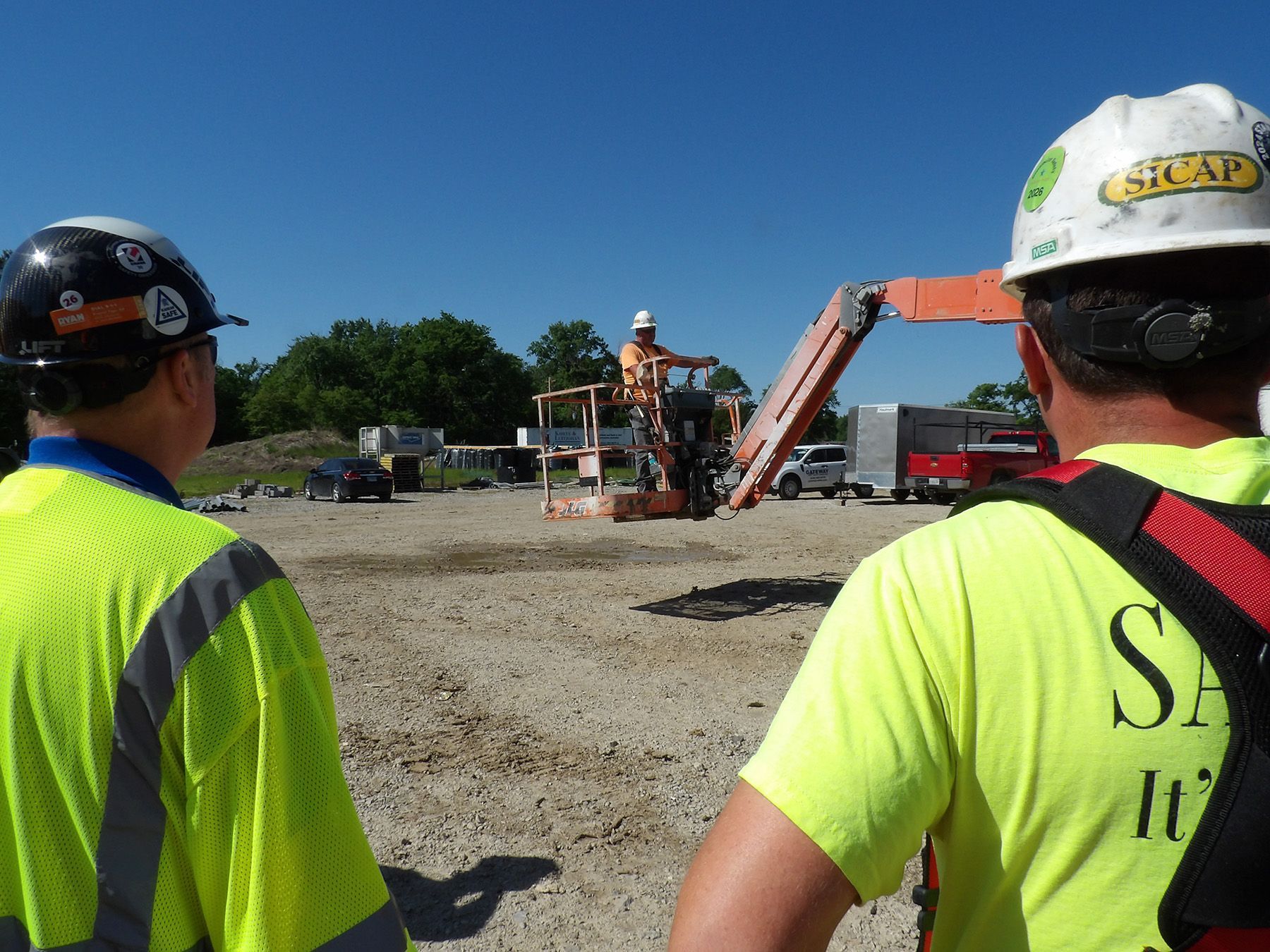
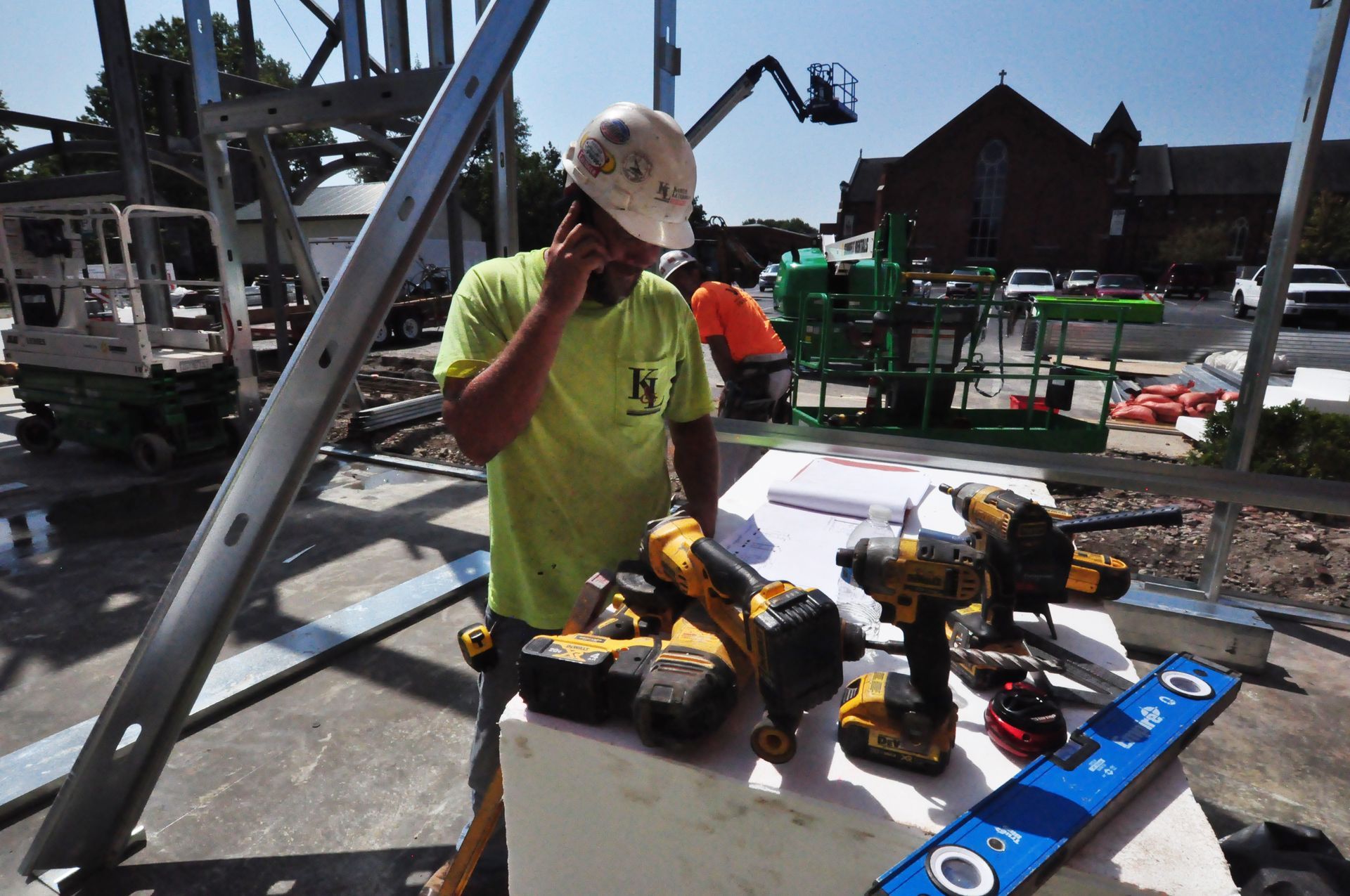
Korte & Luitjohan Contractors has been building across Southern Illinois and the St. Louis region since 1958. Our team has delivered projects for municipalities, schools, hospitals, water and wastewater treatment plants, and regional infrastructure clients. With our Highland headquarters and our Marion office serving communities south of Interstate 64, we're close to the projects we build.
Whether your project calls for
design-build,
construction management, or general contracting, we bring the same focus on safety, quality and clear communication to every job.
Frequently Asked Questions
Can Illinois public entities use TIPS?
Yes. Illinois law allows governmental units to purchase jointly, and Illinois cities and school districts have joined TIPS by resolution. Your attorney or purchasing office should confirm it's appropriate for your entity and project.
Does joining TIPS obligate us to buy anything?
No. Joining makes TIPS contracts available to your organization, but purchasing decisions remain yours.
Does TIPS replace public bidding?
TIPS contracts are awarded through a competitive solicitation conducted by the lead agency, and members purchase from those contracts. Whether that meets your requirements for a specific project is a question for your legal counsel.
Is Korte & Luitjohan a TIPS contractor?
Yes. K&L is an authorized contractor/vendor in the TIPS program.
What areas does K&L serve?
We serve Southern Illinois, the Metro East and the St. Louis metro area, with offices in Highland and Marion, Illinois.
Let's Talk About Your Next Public Project
Thinking about using TIPS for an upcoming renovation or facility project? Call Korte & Luitjohan Contractors at (618) 654-9877 or
request a call back. We'll help you understand your options and plan a project that serves your community for years to come.