For a lot of businesses, schools and healthcare facilities, closing the doors for a renovation just isn't an option. Patients still need care. Students still need classrooms. Customers still need to be served, and the bills still need to be paid.
The good news is that you don't have to shut down to improve your building. Renovating an occupied space is very doable with the right plan and the right contractor. It does take more coordination than building on an empty lot, though, so it helps to know what to expect before the first wall comes down.
At Korte & Luitjohan Contractors, we've been building across Southern and Central Illinois and the St. Louis Metro area since 1958, including commercial, healthcare, education, municipal and historic renovation projects. Here's how an occupied renovation typically works and how to set yours up for success.
Why Occupied Renovations Are Different
On a new build, the job site belongs to the construction crew. On an occupied renovation, the crew is a guest in your building. Your staff, customers, patients or students are still coming and going every day, and the work has to fit around them.
That changes almost everything about how the project is planned, including:
•
When work happens,
which may mean early mornings, evenings, weekends or school breaks.
•
Where work happens,
with active construction areas separated from the spaces people are using.
•
How materials move,
including deliveries, staging and debris removal that stay out of the way.
•
How everyone stays safe,
with clear barriers, signage and walkways.
None of this is out of the ordinary for an experienced contractor. It just needs to be planned up front instead of figured out on the fly.
Phasing: The Key to Staying Open
Most occupied renovations are built in phases. Instead of tearing into the whole building at once, the work is broken into sections. One area is renovated while the rest of the building stays in use. When that area is done, people move into it and the crew moves on to the next one.
A good phasing plan answers questions like:
•
Which areas absolutely have to stay open at all times?
•
Are there temporary spaces people can use while their area is under construction?
•
What utilities, such as power, water, HVAC or internet, might need to be shut off, and when is the least disruptive time to do it?
•
Are there seasonal slow periods, like summer for schools, that make sense for the biggest phases?
Phasing can add some time to a project compared to doing everything at once. For most owners, that tradeoff is well worth it to keep operations running and revenue coming in.
Managing Noise, Dust and Disruption
Construction is never completely quiet or clean, but there's a lot that can be done to keep it under control. Temporary walls and dust barriers keep debris contained to the work area. Loud work like demolition or cutting can be scheduled for off-hours. Air handling can be adjusted so dust doesn't travel through the building.
In sensitive settings like healthcare facilities, these measures are especially important. Clinics and hospitals often have strict infection control requirements during construction, and your contractor should be ready to plan around them with your facility team.
Safety for Everyone in the Building
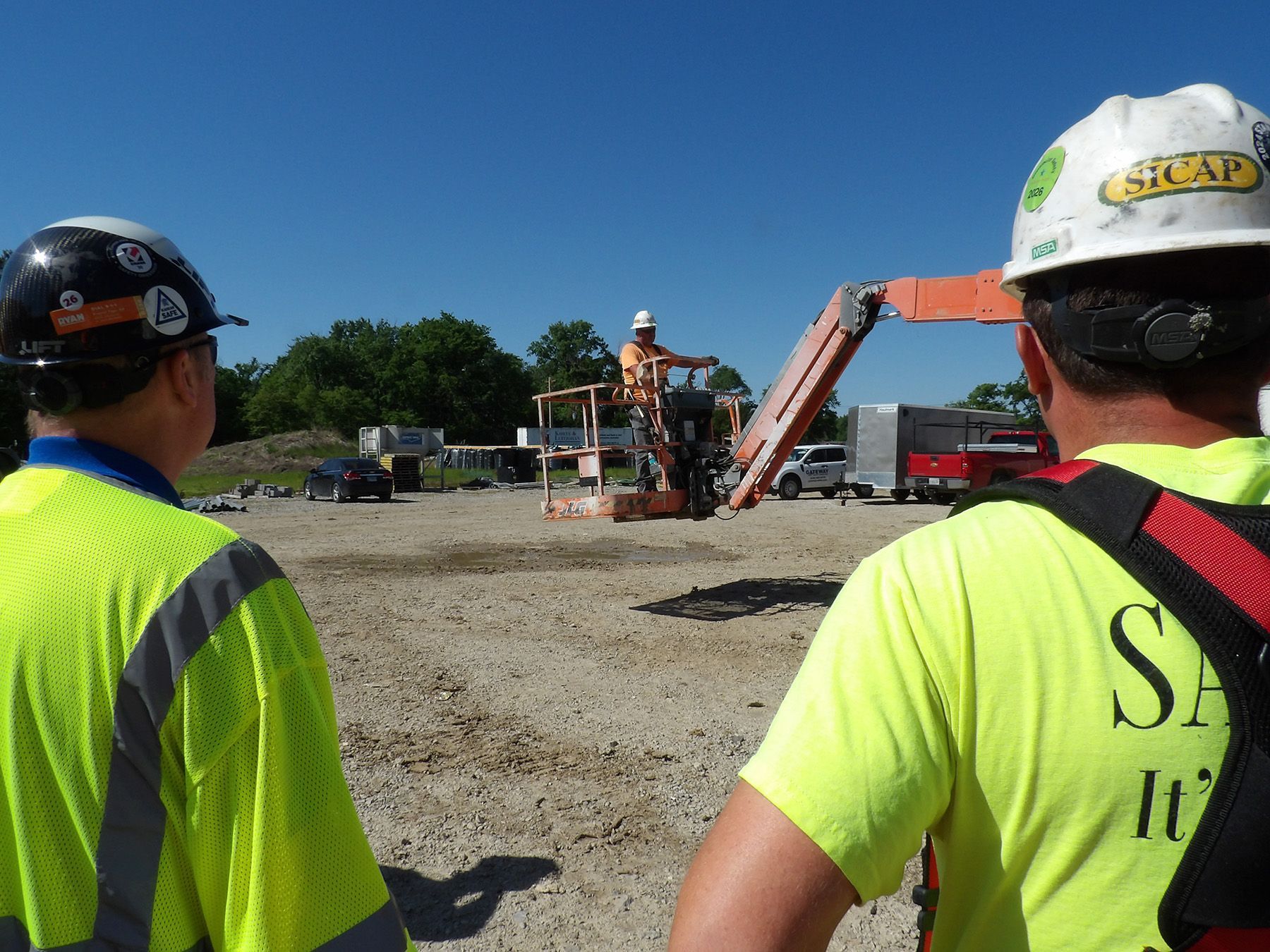
On an occupied project, safety goes beyond the construction crew. Your employees, visitors and the public need to be protected too. That means clearly marked work zones, secure barriers, protected walkways and emergency exits that stay open and accessible throughout the project.
It also means controlling who has access to the work area. Construction zones should be off-limits to anyone who isn't part of the crew, and that's even more important in schools and healthcare facilities. Safety is a core part of how we work at K&L, and it's something worth asking any contractor about before you hire them.
Communication Makes or Breaks the Project
The best occupied renovations have one thing in common: everyone knows what's coming. Staff aren't surprised when a hallway closes. Customers know which entrance to use. Building managers get a heads-up before the water is shut off.
Before the project starts, it helps to agree on:
•
A main point of contact on both your side and the contractor's side
•
How and when upcoming work will be communicated to staff, tenants or students
•
Regular progress meetings to review the schedule and any changes
•
A plan for handling unexpected issues quickly
Older buildings in particular can hold surprises once the walls are opened up. Clear communication keeps those surprises from turning into bigger problems.
Start With Pre-Construction
Most of the work that keeps an occupied renovation running smoothly happens before construction ever starts. During pre-construction, your contractor can walk the building with you, learn how it's used day to day, identify potential conflicts and build a phasing plan and schedule around your operations.
This is also the time to work through budget and scope, so you know what you're getting and what it will cost before you commit. If you want to learn more, check out our post on
what pre-construction is and why it matters for commercial projects.
Why Experience Matters on Occupied Projects
Renovating a building while people are using it takes more than good construction skills. It takes a contractor who understands how to work around your business, respects your space and communicates well. Ask potential contractors whether they've done occupied renovations before, how they handle phasing and safety, and how they'll keep you informed along the way.
At Korte & Luitjohan, we think like an owner. We know your building is more than a job site. It's where your business, your patients or your students depend on things running smoothly, and we plan every project with that in mind.
Let's Talk About Your Project
If you're planning a renovation or expansion in Southern or Central Illinois or the St. Louis Metro area and need to stay open during construction, we'd love to help you figure out the best approach.
Give us a call at (618) 654-9877 or email us at officeadmin@korteluitjohan.com
You can also visit
www.korteluitjohan.com to request a call back.